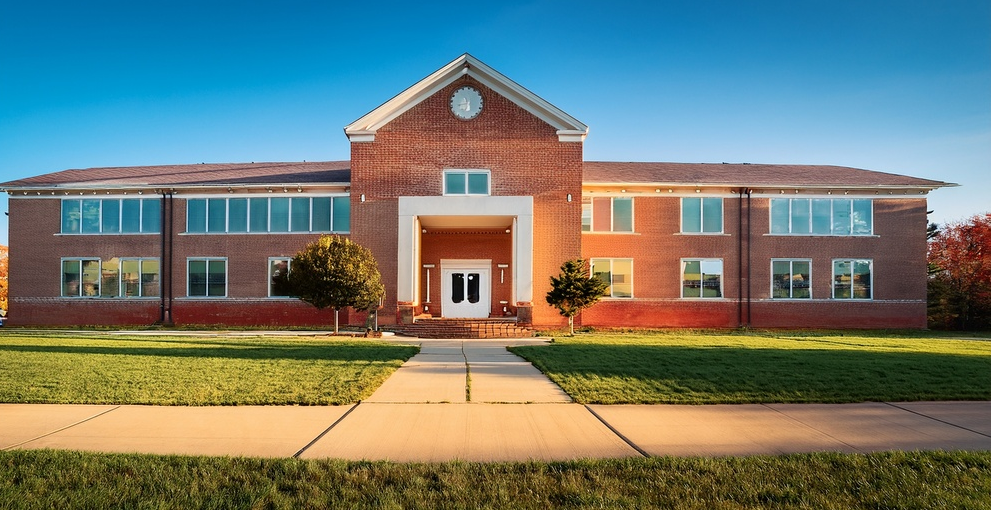

Boston schools weren’t built for modern germ warfare. Some date back to when polio was the big worry. Now we’ve got superbugs, new viruses every year, and allergies that seem to affect half the student body. The old janitor with his string mop fights a losing battle against millions of microorganisms that treat schools like all-you-can-eat buffets.
Health Impacts on Learning
Sick kids make terrible students. Sounds harsh but it’s true. Try memorizing state capitals when your nose won’t stop running. Or solving math problems with a splitting headache. Boston loses thousands of learning hours every year to preventable illness. Teachers see it daily. Monday starts with twenty-five students. By Wednesday, eighteen show up. The absent kids miss the lesson on fractions. Next week the teacher must reteach everything while also covering new material. Nobody wins. The sick kids fall behind. The healthy kids get bored during review. The teacher feels frustrated watching the curriculum schedule slip away.
Then there’s the invisible stuff. Mold spores from leaky roofs. Dust mites in forty-year-old carpets. Chemical fumes from whatever industrial cleaner got splashed around last night. A kid might not feel obviously sick, just tired and unfocused. Parents blame too much screen time or not enough sleep. Nobody suspects the classroom air might be poisoning their child’s ability to think straight.
The Real Cost of Cutting Corners
School boards love quick fixes and cheap solutions. They hire the lowest bidder for cleaning contracts. They buy whatever disinfectant costs least per gallon. They schedule deep cleaning once a year and call it good enough. This approach saves money on paper while costing fortunes in reality.
Here’s what happened at one Boston middle school last February. Stomach bug hit on a Tuesday. It started with two kids in sixth grade. The janitor mopped up and sprayed some bleach around. By Thursday, forty students called in sick. Three teachers too. Friday brought emergency closure for deep sanitization. The total bill? Substitute teachers, overtime cleaning crews, angry parents missing work, and weeks of makeup lessons. All because nobody wanted to spend money on proper daily disinfection.
Modern Solutions for Modern Schools
Cleaning technology changed while schools kept using buckets and rags. New machines use electrical charges to wrap disinfectant around every surface, even underneath desks where hands constantly touch. Special filters pull microscopic allergens from air instead of just moving dust around.
Smart schools partner with professional commercial cleaning services like All Pro Cleaning Systems who understand education environments. They know kindergarteners eat off floors while high schoolers never wash their hands. They adjust methods accordingly, focusing effort where germs spread fastest.
See also: Wellhealthorganic.com:detox-water-works-in-reducing-weight
Building Healthier Learning Environments
Clean schools change student behavior in unexpected ways. Graffiti decreases when bathrooms stay spotless. Pristine cafeterias have fewer food fights. Kids wash hands if sinks work and soap is stocked. The environment shapes actions more than any lecture about germs ever could. Teachers report something else too. Clean classrooms feel calmer. Students focus better without visual clutter and bad smells. Discipline problems decrease. Test scores improve.
Conclusion
Boston can’t keep pretending that basic mopping equals adequate school cleaning. Every flu outbreak disrupts education for weeks. Every asthma attack sends a child to the emergency room. Every moldy classroom slowly poisons young minds trying to learn. The answer is straightforward and budget-friendly. The key is recognizing that yesterday’s cleaning approaches are inadequate for today’s health problems. Schools that invest in scientific, systematic cleanliness watch their students thrive. Those that don’t will keep wondering why attendance drops every winter and why their best teachers keep requesting transfers to newer buildings. Clean schools aren’t luxury. They’re necessity.