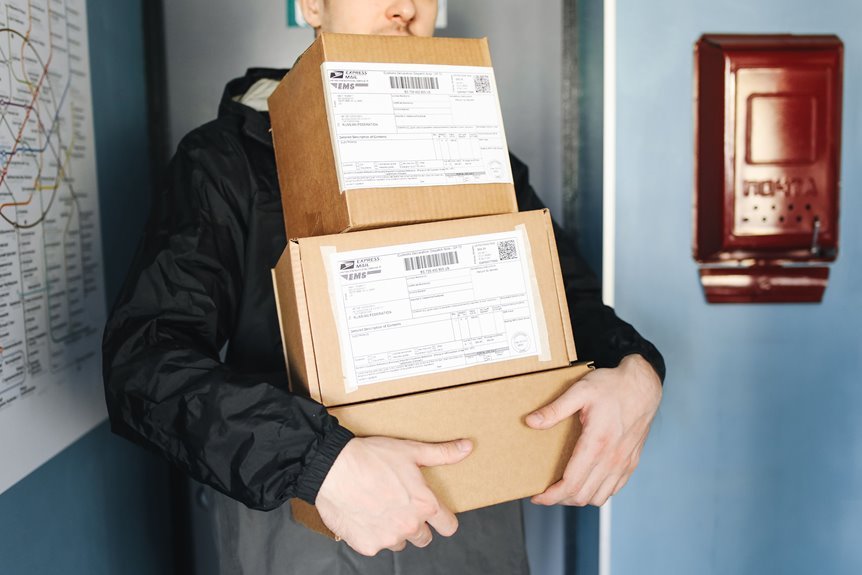

Tracking shipment status transparently requires modular, interoperable tools that normalize data across carriers and provide real-time telemetry. A data-driven approach emphasizes standardized signals, anomaly detection, and early alert thresholds to flag delays before they escalate. Actionable, verifiable outputs should populate a tick-by-tick dashboard with SLA benchmarks and context overlays, supported by audit trails and clear escalation paths. The discipline invites cross-functional collaboration to establish thresholds and governance, leaving teams with a concrete path to improve reliability and trust.
How to Choose the Right Tracking Tools for Transparency
Choosing the right tracking tools hinges on aligning capabilities with operational needs: visibility across the full supply chain, real-time data accuracy, and seamless integration with existing systems.
This analysis documents selecting criteria, benchmark data, and interoperability requirements.
Choosing Tools emphasizes modularity and vendor transparency, while Real Time Updates enable proactive decisions, reduce delays, and foster collaborative problem-solving across stakeholders without sacrificing autonomy.
How to Get Real-Time Updates That Actually Help
Real-time updates must be actionable, not merely frequent. The approach emphasizes insight overlays that translate raw telemetry into decision-ready signals, reducing cognitive load.
Latency forecasting models predict timing gaps, enabling proactive adjustments and improved coordination across stakeholders.
Data-driven dashboards quantify variability, while collaborative workflows ensure teams share context, verify exceptions, and honor freedom to adapt without overreliance on static timelines.
How to Interpret Carrier Data and Flag Delays Early
Effective interpretation of carrier data relies on standardized signals, anomaly detection, and early alert thresholds to flag delays before they cascade into disruptions.
The analysis emphasizes interpretation nuances and delay indicators within a transparency focused framework, applying data normalization across carrier ecosystems.
Collaborative governance enables proactive notifications, aligning teams to detect anomalies early and act decisively for uninterrupted operations.
How to Communicate Status Clearly With Customers and Stakeholders
Communicating status clearly to customers and stakeholders builds trust and reduces uncertainty by presenting timely, structured, and actionable information. The approach emphasizes clear communication processes, standardized phrasing, and verifiable data points.
Stakeholder alignment is achieved through documented updates, agreed-on thresholds, and parallel escalation paths.
Decisions rely on measurable metrics, reducing ambiguity and enabling proactive collaboration across teams and external partners.
How to Build a Transparent, Tick-by-Tick Shipment Dashboard
How can a shipment dashboard reveal status with precision and timeliness? A transparent, tick-by-tick dashboard aggregates real-time telemetry, anomaly flags, and SLA benchmarks, enabling cross-functional teams to verify progress at a glance. The design emphasizes modular data streams, audit trails, and user-defined alerts, promoting accountability. two word ideas1, two word ideas2 support a freedom-oriented, data-driven collaboration.
Frequently Asked Questions
How Can Customers Verify the Authenticity of Tracking Updates?
The answer outlines verification protocols and data provenance, enabling customers to verify authenticity of tracking updates. It emphasizes privacy safeguards, offline fallback, and a data-driven, collaborative approach for an audience seeking freedom in transparency.
What Are Common Reasons for Missing Tracking Events?
Alliteration alert: common causes include technical glitches, scanner delays, network outages, and carrier handoffs. Data shows delivery delays arise from weather, volume surges, and missed scans; carrier handoffs contribute to gaps, reconciliation requirements, and synchronization lags in transit timelines.
Which Metrics Best Indicate Shipment Reliability Over Time?
Delivery latency, carrier variance, workflow efficiency, and data integrity best indicate shipment reliability over time; the data-driven approach reveals trends, enables collaboration, and supports a freeing, precise view of performance metrics across carriers and processes.
How Can Data Privacy Be Preserved in Tracking Dashboards?
Data privacy in tracking dashboards is preserved through data anonymization and robust access controls, enabling precise, collaborative insights while protecting identities; this approach supports freedom to analyze trends without exposing sensitive details or individual shipments.
What Backup Options Exist When GPS Data Is Unavailable?
Backup options include offline inertial logs, cell-tower triangulation, RFID stamping, and satellite fallback; data continuity is preserved through redundancy and timestamped snapshots, enabling reconstructions post-disruption. The approach remains data-driven, collaborative, and respectful of freedom.
Conclusion
A transparent tracking framework aligns standardized signals, real-time telemetry, and interoperable data streams into a single, auditable dashboard. By defining explicit thresholds, anomaly alerts, and SLA benchmarks, teams collaboratively monitor progress and flag deviations early. A tick-by-tick view normalizes carrier data, enabling proactive decisions and clear stakeholder communication. Objection: “too complex to implement.” Visualize with modular components and phased milestones to demonstrate incremental value, reducing risk while preserving data integrity and cross-functional trust.