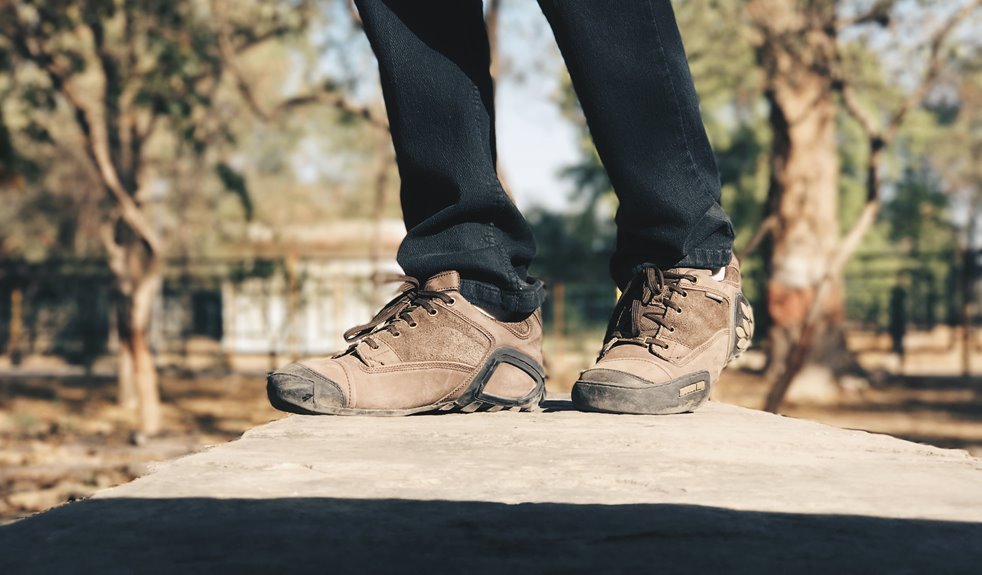

Choosing comfortable outdoor walking shoes hinges on a careful, foot-centered process. Measure both feet, document length, width, and arch structure, and seek a grow-with-you fit. Evaluate arch support, heel containment, and overall fit for neutral alignment. Assess cushioning, midsole stability, and motion control to balance responsiveness with control. Consider material weight and durability for terrain, then test on typical surfaces while monitoring moisture management. Solid alignment and reliable fit persist as critical thresholds, inviting a closer, methodical examination.
How to Measure Your Feet Correctly for Outdoor Shoes
Measuring feet accurately is fundamental to selecting outdoor shoes that fit securely and perform reliably. The process is empirical and repeatable: use a Brannock or ruler, assess both feet, and record length as shoe length with a tolerance for grow room. Note foot width and arch structure; height is less critical. Document measurements for informed, freedom-oriented footwear choices.
How to Evaluate Arch Support and Overall Fit
Evaluating arch support and overall fit begins with objective assessment of how a shoe interfaces with the foot’s biomechanics during stance and gait. Clinicians emphasize arch support alignment with medial column control, subtalar neutrality, and forefoot alignment.
Overall fit focuses on secure heel hold, midfoot containment, and room at the toe box, avoiding compressive pressure while maintaining natural mobility.
How to Assess Cushioning, Sole Stability, and Motion Control
Assessing cushioning, sole stability, and motion control requires a structured appraisal of how midsole materials, outsole rigidity, and stability features interact with the foot during dynamic loading. This evaluation emphasizes driving factors and ergonomic benefits, guiding clinicians and informed walkers. Findings indicate that balanced cushioning, controlled torsion, and predictable response reduce overload, improve alignment, and support safe, freedom-oriented outdoor ambulation.
How to Judge Material, Weight, and Durability for Trails
When judging material, weight, and durability for trails, clinicians and informed walkers should prioritize how upper fabric and midsole components withstand alpine and forest terrain loads, without compromising comfort or efficiency.
The analysis emphasizes material weight, fault tolerance, and durability aesthetics, linking fabric resilience to long-term wear.
Evidence-based criteria guide selection, focusing on performance, comfort, and practical, durable design for varied routes.
How to Test Breathability and Moisture Management
Breathability factors to track include upper material porosity, lining permeability, and the shoe’s overall airflow path, as these influence heat and moisture dissipation under load.
Moisture management metrics focus on absorbency, evaporation rate, and humidity build-up within the toe box during sustained walking.
Initial testing for comfort airflow should use objective, repeatable measures such as controlled treadmill sessions and standardized moisture assessments to compare different models.
Breathability Factors To Track
Evaluating breathability and moisture management in outdoor walking shoes involves quantifying how well a shoe transfers vapor and manages sweat at the foot–shoe interface. Breathability factors to track include breathability metrics and evaporation rates, ensuring airflow aligns with activity level without compromising structure.
Concentration on moisture evaporation supports objective assessment, guiding evidence-based choices for comfortable outdoor locomotion.
Moisture Management Metrics
Moisture management metrics build on breathability data by directly assessing how a shoe handles foot sweat and vapor at the skin-to-shoe interface.
Objective tests quantify evaporation rate, moisture transfer, and drying time, guiding evidence-based selections.
Clinically relevant indicators separate footwear myths from moisture myths, emphasizing measurable performance over anecdote and supporting foot-centered decisions for freedom-oriented outdoor walkers.
Testing For Comfort Airflow
What practical steps reliably reveal a shoe’s comfort air flow, and how can testers quantify breathability and moisture handling?
Testing for comfort relies on standardized airflow testing and moisture wicking assessment, paired with objective metrics such as permeability ratings and evaporative resistance.
Results guide shoe selection; airflow testing informs durability of comfort, while breathability correlates with foot health and unrestricted outdoor freedom.
How to Compare Cushioning vs. Responsiveness for Walking Pace
When assessing cushioning versus responsiveness for walking pace, researchers recommend a balanced approach that integrates subjective comfort with objective gait measures to determine which property best supports steady tempo and stride stability.
Cushioning tradeoffs may blunt sensory feedback, while responsiveness balance preserves proprioception and propulsion.
Clinicians emphasize individualized testing, gait variability, and real-world wear trials to guide footwear recommendations for outdoor walking.
How to Choose Shoes by Activity and Terrain Type
Outdoor walking footwear selection benefits from aligning shoe features with specific activities and terrain demands. For activity-based choices, clinicians advise matching midsole density, outsole lug pattern, and upper support to terrain—trail, pavement, or mixed routes. Consider shoe materials for durability, weight, and moisture management; color trends influence visibility and personal preference. Freedom-seeking feet benefit from evidence-informed, foot-centered assessments.
Frequently Asked Questions
How Do I Know When to Replace Worn-Out Walking Shoes?
The threshold for replacing worn-out walking shoes is reached when cushioning declines, midsole compression becomes evident, outsole tread shows excessive wear, or discomfort persists after short wear tests; consider new materials and fit updates to optimize foot-centered biomechanics and freedom.
Can Foot Shape Change Demands Over Time for Outdoor Shoes?
Ironically, yes; foot shape and demands can evolve, affecting shoe fit over time. The clinical perspective notes adaptive changes, pressure distribution, and arch dynamics, guiding ongoing assessment of foot shape and shoe fit for unconstrained walking freedom.
Do Socks Affect Shoe Comfort During Long Hikes?
Socks influence comfort during long hikes by reducing friction and improving thermoregulation; appropriate padding minimizes hotspots. The evidence supports optimized hiking footwear when paired with socks that manage moisture, cushioning, and fit, enabling freer movement and reduced foot fatigue.
How Does Heel Height Impact Foot Fatigue on Trails?
Heel height influences foot fatigue on trails; higher heels increase forefoot load and require compensatory mechanics, while optimal moderate heel height reduces foot fatigue. Pair insoles, trail socks, and footwear with supportive midsoles for evidence-based comfort and freedom.
Are Insoles Worth Adding for Better Outdoor Comfort?
Insoles add value for many hikers, providing targeted support and pressure redistribution. Evidence suggests orthotic benefits include enhanced alignment and reduced fatigue, though effectiveness depends on foot type and activity. Individual assessment remains essential for outdoor comfort.
Conclusion
Conclusion (75 words): When selecting outdoor walking shoes, evidence supports a structured, foot-centered approach: accurate measurements, secure fit, and proper arch support reduce gait inefficiency and injury risk. Cushioning should balance responsiveness with stability, while midsole torsion control protects against overpronation on variable terrain. Material choices must balance durability, weight, and breathability to maintain foot health over long distances. As the saying goes, measure twice, cut once—consistent assessment yields comfortable, reliable footwear for every trail.