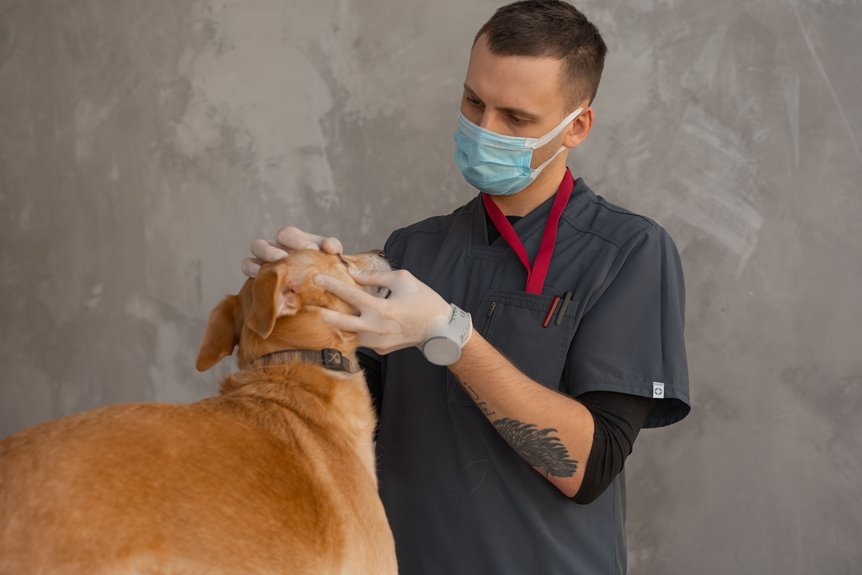

Preparing a calm, structured vet visit routine reduces stress for both pet and owner. The guide outlines preparation, documents, travel tactics, and a clear appointment plan. It emphasizes familiar scents, neutral handling, and concise questions. The approach aims for predictability and simplicity, with a straightforward post-visit plan. Yet practical details and step-by-step implementations remain essential to avoid surprises when the time comes. The next steps offer concrete strategies worth considering.
How to Set Up a Calm Vet Visit Routine for Your Pet
A calm vet visit routine begins with preparation that minimizes surprises for the pet and the handler.
The approach emphasizes calm handling and scent familiarization, enabling predictable behavior during intake and examination.
A consistent routine reduces stress indicators, facilitates cooperative movement, and supports accurate assessment.
Clear cues, short sessions, and neutral environments contribute to reliable, low-anxiety outcomes for both pet and owner.
Gather and Organize Essential Documents and Records
To support a smooth, low-stress vet visit, gather and organize all relevant documents and records before the appointment. The process is methodical: collect medical history, vaccination proof, insurance information, medications, and recent test results. Compile into a single bundle, labeled by pet name. Then organize files by date and relevance, ensuring easy retrieval during check-in or discussion with the clinician. gather records, organize files.
Tactics to Reduce Travel Stress and Keep Pets Comfortable
Travel can induce anxiety in many pets, and deliberate strategies during transit aim to minimize stress while preserving comfort. Calming techniques reduce arousal and restore balance during movement, while environmental controls mitigate travel sensations such as noise, motion, and vibrations.
Prepare familiar crates, maintain routine, and provide brief acclimation sessions. Quiet, steady handling supports resilience without alarming the animal or caregiver.
What to Expect at the Appointment and How to Prepare Questions
During a veterinary appointment, clients can expect a structured process: initial check-in, history review, physical examination, and any necessary diagnostic testing. The clinician records findings, explains results succinctly, and outlines next steps. Prepare appointment questions in advance, focusing on symptoms, treatment options, and prognosis. Transport preparation should ensure comfort and safety, minimizing stress for efficient evaluation and accurate decision-making.
Build a Simple Post‑Visit Care Plan and Follow‑Up Steps
After the visit, a straightforward post-visit care plan guides home management and ensures follow-up effectiveness.
A simple framework defines post visit checklist items, including dosing, activity limits, and warning signs.
Follow up actions specify timelines for rechecks, telemedicine options, and contact points.
Clear responsibilities reduce uncertainty, support caregiver confidence, and promote timely intervention if the animal worsens or deviates.
Frequently Asked Questions
How Often Should Vaccines Be Updated for Adult Pets?
Vaccines for adults are updated per veterinarian protocol; how often depends on the animal, exposure, and risk factors. During a routine visit, clinicians discuss adult vaccines, booster intervals, and emergency signs, ensuring ongoing protection for the patient.
What Signs Indicate an Emergency During a Routine Visit?
Emergency indicators in a routine visit include severe bleeding, chest distress, collapse, seizures, persistent vomiting, unable to walk, or sudden collapse; routine red flags warrant immediate veterinary attention, as delays risk rapid deterioration.
Are There Specific Foods to Avoid Before Appointments?
There are specific foods to avoid before appointments, and owners should note that foods to avoid include rich treats and fatty items; only simple, small portions are allowed as treats before visit, with no medical contraindications for treats allowed before visit.
Should I Fast My Pet Before Bloodwork or Lab Tests?
Yes, fasting may be required; avoid food as directed by the clinician. For accurate results, follow fasting requirements and arrive prepared for lab test preparation, noting water access usually allowed, but confirm specifics with the veterinary team.
How Can I Ease My Anxious Pet’s Vet Visit Long-Term?
Anxious animals benefit from anxiety reduction strategies and behavior modification plans; long-term easing stems from consistent conditioning, predictable routines, and supportive environments, enabling calmer vet experiences. Clinicians recommend gradual desensitization, positive associations, and ongoing, patient-based preparation for freedom.
Conclusion
In closing, a calm, methodical vet-visit routine reduces stress for both pet and owner. Anecdote: one owner routed the visit like a routine fetch—benign crate, familiar scent, and a single labeled bundle—and saw the clinic’s bustle become a predictable background. Data point: consistent preparation lowers wait-time anxiety and improves information retention during questions. By treating the process as a repeatable protocol, guardians foster smoother check-ins, clearer communications, and tangible post-visit follow-through for healthier outcomes.