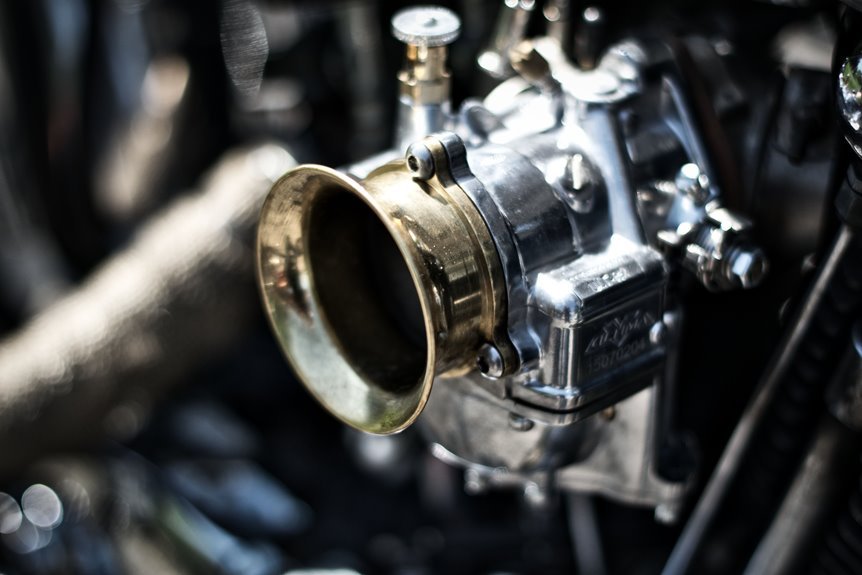

Displacement in a motorcycle engine is the total air-fuel mixture the cylinders move per cycle, a measure of geometric capacity rather than power. It informs torque potential, peak output, and how the ride feels, but must be weighed against architecture, materials, and lubrication. Comparing specs, tests, and real-world results reveals how design choices translate to performance. The metric also guides expectations for sport, cruiser, or dual-sport roles, suggesting throttle response and comfort—yet nuance remains to be explored.
What Displacement Actually Measures in a Motorcycle Engine
Displacement in a motorcycle engine refers to the total volume of air and fuel mixture that the cylinders can draw in during one complete cycle of all cylinders. It measures geometric capacity, not power.
For reliability, engine lubricants influence seal longevity and thermal management, while piston metallurgy determines tolerances and wear resistance, shaping displacement stability under operation yet remaining independent of live performance metrics.
How Displacement Shapes Power, Torque, and Ride Feel
Power and torque in a motorcycle engine are closely tied to displacement, but the relationship is not one-to-one. Displacement influences peak outputs, fattening torque curves and broadening the usable range.
Power to weight remains a practical metric for performance perception, while exhaust sound reflects engine tuning and flow.
Ride feel integrates inertia, response latency, and mass distribution with displacement-driven response characteristics.
Displacement vs. Engine Design: Why Two Bikes With the Same CC Can Feel Different
Engine displacement sets a baseline for the potential output, but the perceived performance of two motorcycles with identical displacement can diverge markedly due to design choices that govern how that volume is converted into motion.
Engine materials influence efficiency, thermal behavior, and weight distribution, while fuel mapping shapes torque delivery, torque peak, and response, illustrating how architecture—not just displacement—drives ride feel.
Reading Displacement in Specs, Test Data, and Real-World Fuel Economy
Reading displacement involves parsing specifications, empirical test data, and real-world fuel economy to form a coherent view of how cylinder volume translates into performance. The analysis emphasizes engine mapping and its influence on power delivery, torque curves, and efficiency metrics.
Differences emerge between urban ridden and highway noise profiles, with fuel economy serving as a practical corroborator of displacement’s real-world impact.
Using Displacement to Choose the Right Bike: Sport, Cruiser, and Dual-Sport Clues
Displacement serves as a primary proxy for expected power delivery and tractability across motorcycle genres, guiding riders to select configurations that align with their intended use.
In sport, higher displacement often yields swift throttle response and top-end punch; cruisers benefit from steady torque and smoother delivery; dual-sport blends practicality with manageable power.
Displacement aesthetics and practical budgeting frame informed choices.
Frequently Asked Questions
How Does Displacement Affect Engine Sound and Character?
Engine sound and engine character shift with displacement: larger displacement often yields deeper, smoother tone and broader torque, while smaller displacement favors higher-pitched, sharper response; overall, the engine sound reflects bore, stroke, and exhaust tuning, shaping character.
Do Larger Displacement Engines Require More Maintenance?
Larger displacement engines generally require more engine maintenance due to higher stresses and more complex components; however, maintenance frequency depends on usage, maintenance quality, and riding ergonomics. Regular checks ensure optimal performance, reliability, and rider comfort.
Can Two Engines With Similar Cc Feel Vastly Different?
“Perception is reality,” but two engines with similar cc can feel vastly different due to engine architecture and rpm characteristics; the result hinges on design goals, valve timing, and intake/exhaust tuning, not solely displacement.
Is Displacement the Main Factor for Top Speed vs. Acceleration?
Displacement is not the sole determinant; power and gearing shape top speed versus acceleration. In this analysis, displacement vs power and engine noise influences contribute, but efficient aerodynamics and drivetrain losses ultimately govern performance for riders seeking freedom.
How Reliable Are Displacement Figures Across Brands?
Engine reliability of displacement figures varies; brand to brand consistency is not absolute. Differences arise from measurement methods, testing conditions, and rounding. Readers should scrutinize manufacturer specifications and independent tests to gauge practical reliability.
Conclusion
Displacement is the engine’s conceptual volume, a geometric proxy for how much air-fuel mixture can enter per cycle, not a direct measure of power. The same CC can yield different torque curves due to design, tuning, and lubrication. Reading specs alongside real-world tests reveals how mapping, gearing, and weight shape tractability. When choosing, match displacement cues to intended use—sport demands quick, linear response; cruiser favors smooth, broad torque; dual-sport requires balanced delivery and reliability over varied terrain.